
Few corners of Southern Arizona have transformed as dramatically over the past two decades as Downtown Tucson. Once a place locals drove around rather than into, the urban core has become the cultural and culinary heart of the Old Pueblo, a walkable district where 19th-century adobe row houses sit a short stroll from modern lofts, rooftop bars, and a streetcar line that hums down Congress Street. If you are drawn to history, art, and the energy of a city center on the rise, this is the most distinctive place to live in the region.
Where Downtown Tucson Sits
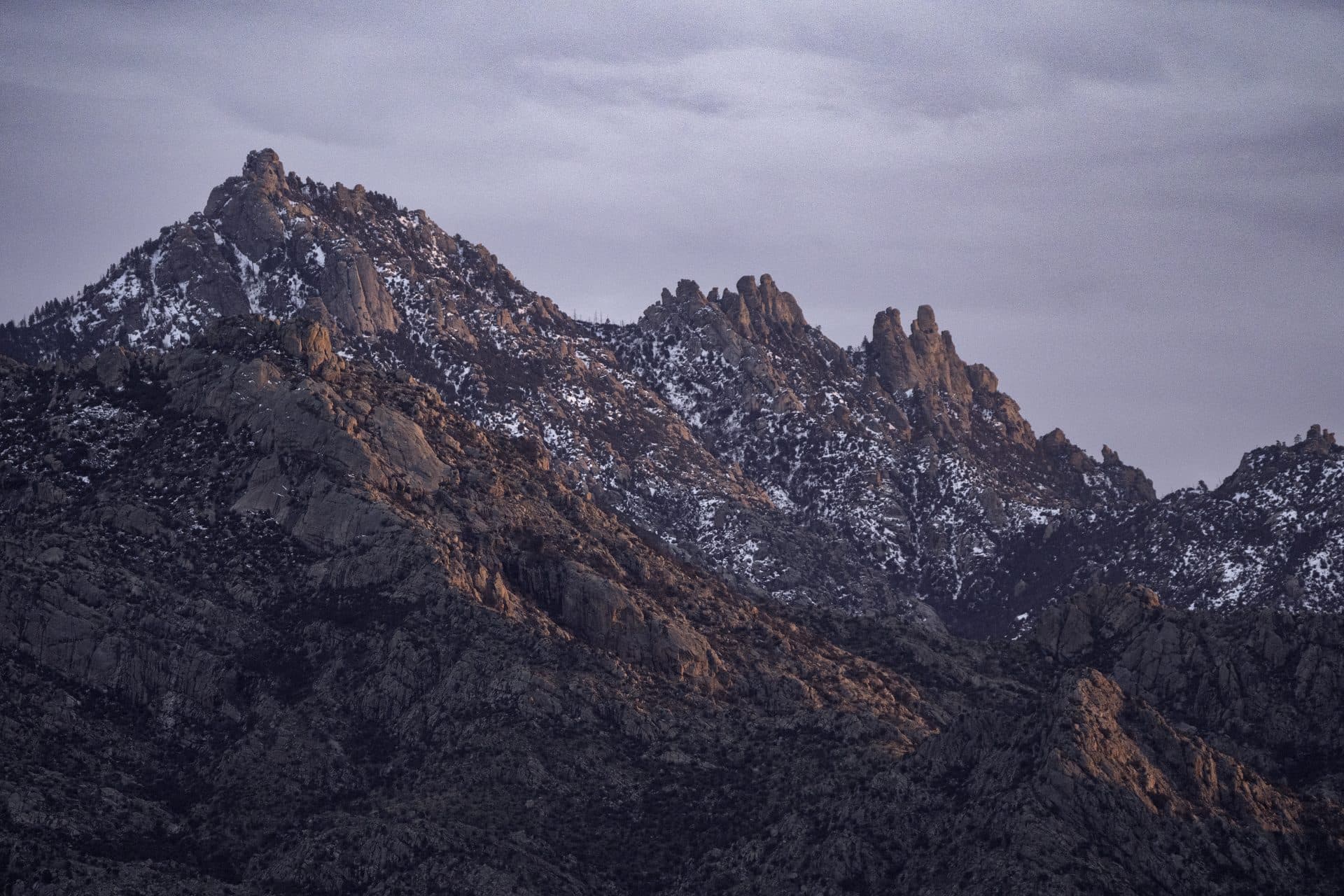
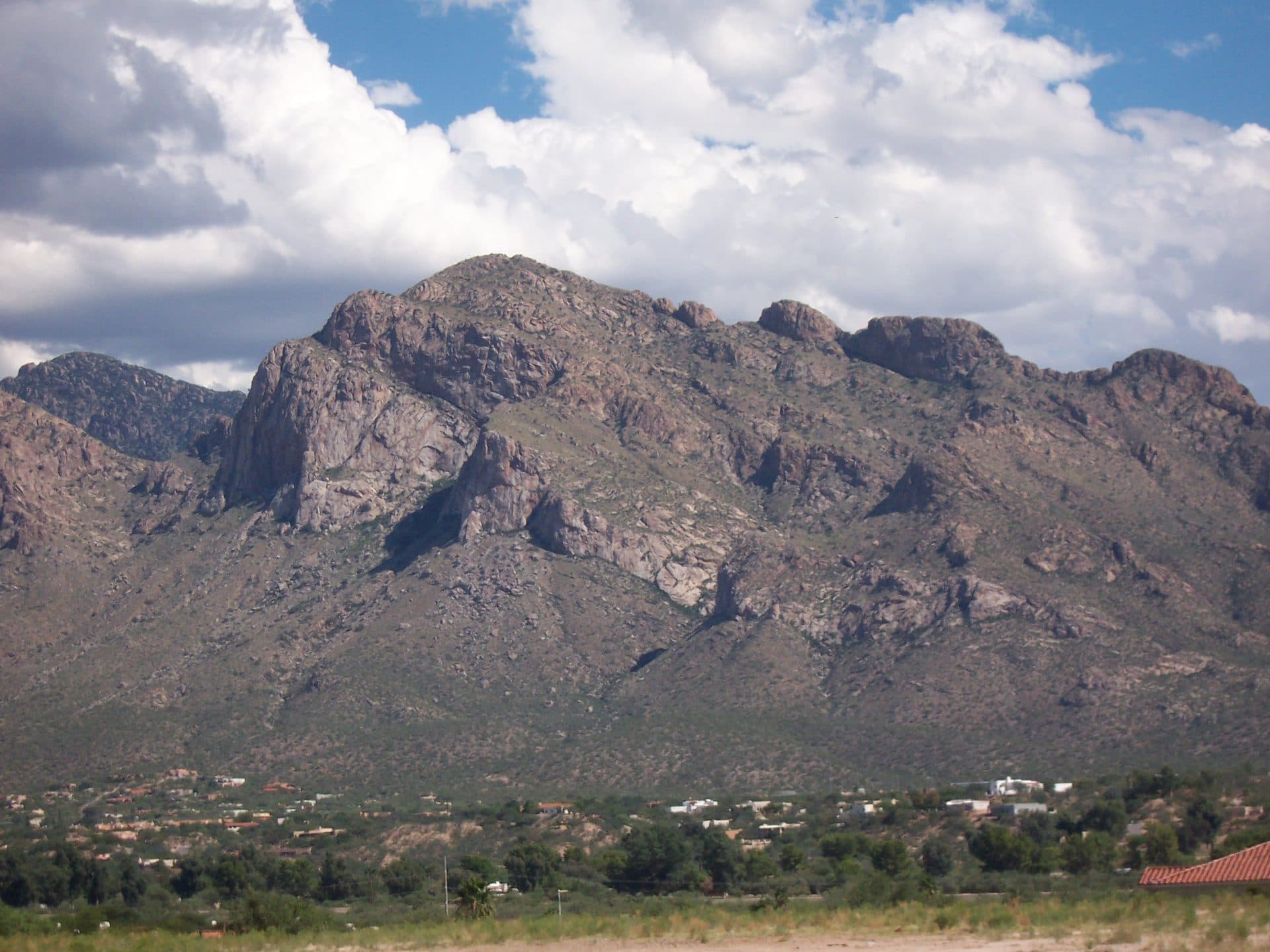
Downtown anchors the geographic and historic center of Tucson, framed by the soaring Catalina Mountains to the north and threaded by Congress Street, the district's main artery. Just east, Fourth Avenue brings its eclectic mix of shops, taquerias, and music venues, while the Sun Link streetcar ties everything together. Launched in 2014, the roughly 3.9-mile line runs about 23 stops from the Mercado District on the west side, through downtown and Fourth Avenue, all the way to the University of Arizona and the Banner medical campus. For many residents, that single rail line replaces a daily commute by car.
A Downtown Renaissance
The streetcar did more than move people; it catalyzed a renaissance. Billions of dollars in public and private investment have flowed into projects along the route, bringing new infill housing, restored historic buildings, hotels, breweries, and dozens of restaurants and nightlife venues. The result is a downtown with real density and real momentum, anchored by museums, theaters, and a year-round calendar of festivals. It feels lived-in and local rather than manufactured, which is precisely its charm.
Historic Districts on Downtown's Doorstep
Some of Tucson's most beloved historic neighborhoods wrap around the core, each with its own character and deep roots:
- Barrio Viejo: rows of brightly painted Sonoran adobe homes built between the 1860s and 1920s, prized for their thick walls and timeless street scenes
- El Presidio: the oldest neighborhood in Tucson, set on the 1775 Spanish fort site, with adobe, Mission Revival, and bungalow architecture
- Armory Park: tree-lined streets just southeast of downtown, blending Victorian and Sonoran row-house styles from the early 1900s
These districts are walkable to downtown amenities yet feel residential and quiet, and their protected historic status helps preserve their value and sense of place over time.
Home Types and Price Tier
Downtown living spans a wide spectrum. Contemporary condos and loft conversions offer city and mountain views and a true lock-and-leave lifestyle, while the surrounding barrios hold restored adobe row houses, bungalows, and townhomes for buyers who want character and a yard, however compact. Prices span a similarly wide range, from smaller condos to restored historic homes; our Downtown Tucson market report has the current median sale price, price per square foot and days on market, recomputed monthly from MLS closed sales. Inventory is genuinely limited, so the right listing rewards a prepared buyer.
A UNESCO Food Scene at Your Doorstep
In 2015, Tucson became the first city in the United States named a UNESCO City of Gastronomy, a nod to more than 4,000 years of agricultural heritage and a layered blend of Native American, Spanish colonial, and Mexican influences. Downtown is the epicenter of that distinction, from family-run taquerias and James Beard-recognized kitchens to craft cocktail bars and breweries. Add the festivals, First Fridays, gallery walks, and live music, and you have a calendar that rarely sits still.
The Investment and Rental Angle
Proximity to the University of Arizona, a major regional employer alongside Banner University Medicine, gives downtown a built-in pool of renters and a resilient demand base. Streetcar-connected condos and barrio homes appeal to renters tied to the university, faculty, healthcare staff, and downtown professionals, while well-managed short-term rentals can perform strongly given downtown's tourism and event draw. As always, local regulations around short-term rentals continue to evolve, so it pays to plan with current rules in mind.
Urban Tradeoffs to Know
City-center living comes with city-center realities. Parking is at a premium, so secured or deeded spaces matter; some historic homes carry preservation guidelines that shape renovations; and summer heat is real, making efficient cooling and shade meaningful. For the right buyer, these are easy tradeoffs for being able to walk to dinner, a concert, or the streetcar.
Downtown Tucson is one of the only places in the region where you can own a piece of 19th-century adobe history and still walk to a UNESCO-caliber dinner and hop the streetcar to campus.
Who does it suit best? Downtown professionals, anyone tied to the university or downtown medical campuses, urbanists who want a car-light life, investors chasing steady rental demand, and lock-and-leave buyers who want a low-maintenance basecamp in a vibrant district. If that sounds like you, the Tucson Experts team would be glad to help. As longtime locals who know these blocks, barrios, and buildings firsthand, we can walk you through current listings, the nuances of historic ownership, and what your goals look like in today's market, whenever you are ready to talk.