
“How much is my home worth?” is the first question every Tucson seller asks — and the online estimate you just checked is probably wrong, sometimes by a lot. Here’s what actually determines your home’s value in this market, and how to land on a price that sells rather than sits.
Why online estimates miss in Tucson
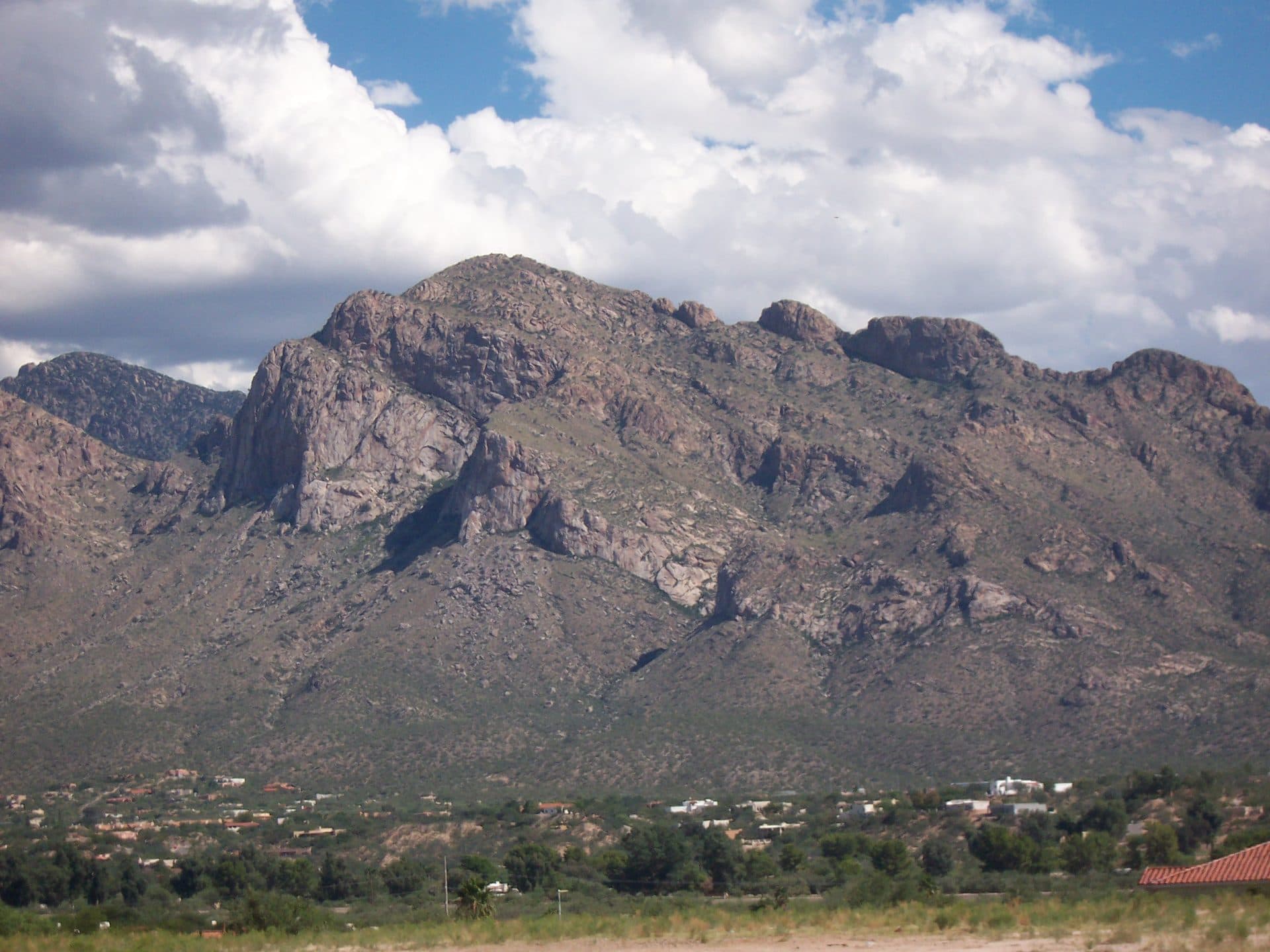
Automated valuations (the “Zestimate” type) work off broad algorithms and public data. In a market as micro-local as Tucson, that’s a real handicap. Two homes on the same street can differ by six figures based on which way the patio faces, whether it captures a Catalina Mountain view, how the elevation sits, and the quality of the remodel — nuances an algorithm simply can’t see. In the Foothills especially, view corridor and lot can matter as much as square footage. Treat online numbers as a rough starting point, not a listing price.
What actually drives your value
- Location and micro-location — the neighborhood, and where you sit within it (views, elevation, lot, privacy)
- Condition and updates — kitchens, baths, roof, HVAC, and overall move-in readiness
- Size and layout — square footage, beds and baths, and how usable the floor plan is
- Desert-specific value — mountain views, outdoor living, pool, and mature xeriscape
- Recent comparable sales — what similar nearby homes actually closed for, right now
The comparative market analysis (CMA)
The credible way to price a home is a CMA: an agent pulls genuinely comparable recent sales in your area, adjusts for the differences between those homes and yours, and factors in current inventory and demand. It’s the same evidence an appraiser leans on, and it’s grounded in what buyers are paying today — not a national algorithm or last year’s market. A good CMA gives you a defensible price range, not a single wishful number.
Why overpricing costs you — even in a rising market
It’s tempting to “test” a high price and drop later. In practice that backfires. Your listing draws its most motivated buyers in the first week or two; price above the market and those buyers skip it, the home lingers, and days-on-market piles up. Buyers read a stale listing as “something’s wrong,” and the eventual sale often lands below what accurate pricing would have delivered. Across Tucson, homes have recently been closing within roughly 2–3% of list — proof that the market rewards realistic pricing and punishes wishful thinking.
The market doesn’t care what you paid, what you owe, or what you need. Price to what today’s buyers are actually paying for homes like yours, and you sell faster and usually for more.
Get a real number
Update (September 22, 2026): the $355,000 figure is a first-half-2026 reading of the overall market, left as published. We now keep current figures per area rather than as one Tucson-wide median. Over the twelve months to September 22, 2026, MLS of Southern Arizona median sale prices ran from $300,000 in Green Valley, $328,500 in the Tucson Mountains and $340,000 in Sahuarita, through $350,000 in Midtown Tucson, $400,000 in Vail and $422,500 in Marana, to $500,000 in Oro Valley and $660,000 in the Catalina Foothills. Your own area’s report — Catalina Foothills, Oro Valley, Marana or any other — shows its median, price per square foot and sale-to-list ratio. Every area’s current report is on our market pages.
The overall Tucson-area median sale price sat around $355,000 in the first half of 2026, but your home’s value is its own story — driven by your exact area, condition, and features. The only way to know is a current, address-specific analysis. We’ll prepare a free CMA on your home, walk you through the comps, and recommend a price designed to sell well rather than sit.
Curious what your Tucson home would bring in today’s market? Send us your address and we’ll put together a no-obligation valuation and pricing strategy tailored to your home.